 BetterRX
Medication Compliance in Hospice
Medication compliance in hospice is one of those topics that sounds straightforward until you’re living it. On paper, it means medications are taken...



Hospice audits don’t usually announce themselves at a convenient time. They show up in the middle of a busy census, during staffing shortages, or right when your team finally feels caught up. While everyone knows audits are part of hospice care, that doesn’t make them any less stressful.
As we step into 2026, hospice audit preparation isn’t about bracing for the worst, i’s about avoiding the scramble altogether. The hospices that weather audits best aren’t doing anything flashy. They’re documenting clearly. They’re telling a consistent clinical story. And they’re making sure their systems support the way care is delivered, not just how it’s reviewed.
When hospice audit readiness becomes part of daily operations instead of an emergency response, the pressure lifts. Teams spend less time second-guessing charts and more time caring for patients and supporting families during incredibly hard moments.
Hospice audits are no longer isolated events. Agencies may face reviews from Medicare hospice audits, Medicare Administrative Contractors, Supplemental Medical Review Contractors, Recovery Audit Contractors, Unified Program Integrity Contractors, or Targeted Probe and Educate. Each looks at hospice care through a slightly different lens, but they share a common focus: documentation accuracy, eligibility support, and compliance with Medicare regulations.
In 2026, hospice audit readiness means ensuring consistency across every chart, every clinician, and every patient episode. It also means understanding how data flows between clinical teams, pharmacy partners, and billing systems.
Medication compliance directly affects patient comfort and safety. When medications are taken as intended, symptoms such as pain, anxiety, shortness of breath, or agitation are more likely to remain controlled.
Poor compliance can lead to unmanaged symptoms, unnecessary suffering, and increased stress for patients and their families. It can also create confusion for care teams who may not have a clear picture of what medications are being given at home.
In hospice and palliative care, where the focus is quality care rather than cure, medication compliance helps ensure that every intervention supports comfort and dignity.
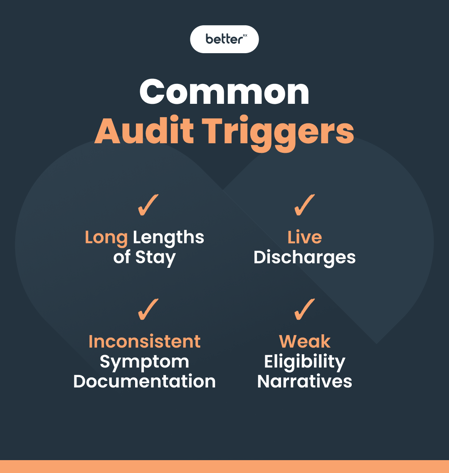
Most hospice audits don’t start randomly. They’re triggered by patterns. High lengths of stay, elevated live discharges, frequent General Inpatient care, or inconsistent symptom management documentation can all raise flags.
Certification of terminal illness is one of the most scrutinized areas. Auditors expect a clear, defensible narrative that connects diagnosis, decline, comorbidities, and functional status. Face to face encounters must support continued eligibility, not simply repeat prior language.
When hospice medical review documentation feels templated or disconnected from the patient’s lived experience, it becomes harder to defend during medical review or at an Administrative Law Judge appeal.
Hospice audit preparation works best when it’s woven into daily workflows instead of saved for crisis moments.
Clinical documentation should tell a cohesive story across disciplines. Nurses, physicians, social workers, and pharmacists should all be reinforcing the same picture of decline, symptom burden, and goals of care. When records align, audits become easier to manage.
Technology also plays a role. Systems that centralize medication data, track symptom changes in real time, and reduce duplicate charting help ensure consistency. This not only supports audit readiness but also protects staff from documentation fatigue, a growing concern across hospice organizations.
Additional Document Requests, often called ADRs, are where many hospices feel the most strain. Requests come with tight deadlines and high stakes. Having a defined audit response team helps prevent panic and missed details.
That team should include clinical leadership, compliance staff, and operational support. Roles should be clear before an audit begins. Who gathers records. Who reviews for completeness. Who communicates with the contractor. When this structure is in place, responses are faster and more accurate.
Targeted Probe and Educate audits deserve special attention. The goal isn’t punishment but correction. Hospices that treat TPE audits as learning opportunities often come out stronger, with better documentation habits and fewer future reviews.
Auditors pay close attention to symptom management, especially pain control, anxiety, and respiratory distress. Medication orders must align with documented symptoms and clinical rationale.
This is where integrated pharmacy workflows matter. When medication changes, clinical notes should reflect why. When symptoms escalate, documentation should show timely intervention. Strong collaboration between clinicians and pharmacists supports both patient comfort and compliance.
Consistent medication documentation also reduces discrepancies during audits, where mismatched orders and notes can create unnecessary risk.
The most audit-ready hospices don’t chase compliance. They build it into their culture. They review charts proactively. They train clinicians on how to document decline clearly. They use technology to support accuracy instead of adding complexity.
Hospice audit preparation for 2026 isn’t about fear. It’s about confidence. When teams know their documentation reflects the care they provide, audits become manageable, defensible, and far less disruptive.
Hospice audit preparation is the process of ensuring documentation, clinical workflows, and compliance practices are audit-ready before a Medicare review occurs.
Common triggers include long lengths of stay, live discharges, inconsistent eligibility documentation, and incomplete face to face encounter notes.
By standardizing documentation, educating clinicians, and using feedback from each probe to improve future records.
Auditors look for alignment across disciplines. Inconsistent notes can undermine otherwise appropriate hospice care.
Audit readiness shouldn’t depend on late nights, last-minute chart reviews, or hoping nothing gets missed. BetterRX helps hospice teams stay prepared year-round by simplifying medication workflows, strengthening documentation consistency, and giving clinicians the tools they need to support both compliance and comfort. If you want to see how BetterRX can help your organization approach audits with confidence instead of stress, schedule a demo with our team. We’ll walk through how our platform fits into your existing workflows and supports audit preparation without adding more work to your plate.
Medicare hospice audits center on eligibility, documentation accuracy, and symptom management
Consistent clinical narratives across all disciplines strengthen audit readiness
Common triggers include long stays, live discharges, and incomplete face‑to‑face notes
Clear medication documentation and integrated pharmacy workflows reduce audit risk
Daily documentation habits drive long‑term audit success

Medication compliance in hospice is one of those topics that sounds straightforward until you’re living it. On paper, it means medications are taken...